
Synthetic drugs in the US: Navigating a new wave of crisis
Published October 18, 2026 · 11:57 PM
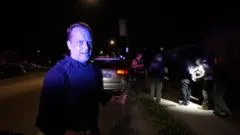
As synthetic drugs like tranq flood the US, authorities face a complex crisis of shifting mortality rates and new, more potent substances.
The evolution of the American drug landscape
The nature of the narcotics crisis in the United States is undergoing a fundamental shift toward more potent, manufactured substances. While traditional drugs have long been a concern, the current era is defined by the rapid proliferation of synthetic alternatives. These substances are often cheaper to produce and significantly more powerful than their organic predecessors, making them difficult for traditional enforcement methods to curb.
This shift has prompted a significant political response. Earlier this year, President Donald Trump pledged a rigorous crackdown on the drug cartels responsible for the supply chains. This strategy includes the potential proscription of various cartels as terrorist organizations, aiming to elevate the legal and military stakes of drug trafficking. The goal of such a policy is to disrupt the flow of these dangerous chemicals before they reach American streets.
Fluctuating mortality rates and the synthetic threat
Statistical trends in overdose deaths show a recent period of decline, though the underlying threat remains high. According to the BBC, drug overdose deaths fell from a peak of approximately 110,000 in 2022 to roughly 70,000 last year. While this reduction is a positive indicator for public health officials, it does not necessarily signal the end of the crisis.
Authorities remain increasingly alarmed by the specific properties of the new synthetic wave. Unlike older substances, these new compounds are often highly concentrated and unpredictable. The concern is that the crisis may actually be accelerating in terms of lethality and social impact, even if the raw number of deaths has seen a temporary downward trend. The volatility of these substances makes medical intervention and community support significantly more complex.
The impact of tranq on urban communities
In cities like Chicago, the arrival of specific synthetic additives is devastating local neighborhoods. One of the most pressing concerns is the rise of "tranq," an animal tranquilizer that has become increasingly integrated into the illicit drug supply. This substance adds a layer of danger to the existing addiction crisis, as its effects on the human body are severe and often difficult to manage in emergency settings.
On the South Side of Chicago, the reality of this crisis is felt daily by residents and frontline workers. The presence of tranq and other synthetics creates a unique set of challenges for community stability and public safety. As these substances become more prevalent, the battleground shifts from large-scale interception to the granular, difficult work of managing the immediate, visible impact on urban life and the health of vulnerable populations.
Frequently Asked Questions
What are the primary concerns regarding synthetic drugs in the US?
The primary concerns involve the increasing potency and decreasing cost of these substances. Authorities are particularly worried about the rise of tranq, an animal tranquilizer, which is being mixed into the drug supply, making overdoses more dangerous and harder to treat in local communities.
How have overdose death rates changed recently?
Overdose deaths have seen a notable decrease from their recent peak. According to the BBC, deaths dropped from around 110,000 in 2022 to approximately 70,000 last year. However, experts warn that the surge in synthetic drugs could lead to a new, more lethal phase of the crisis.
What is the government's stance on drug cartels?
The administration has moved toward a more aggressive enforcement stance. President Donald Trump has pledged to crack down on the cartels supplying these drugs, with plans to designate many of these organizations as terrorist groups to facilitate more intense legal and operational interventions.
