
The Tragic Toll of the Marineland Beluga Relocation Effort
Published October 18, 2026 · 11:46 PM
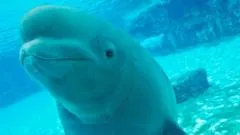
A massive international rescue operation to move Marineland's whales has been met with tragedy, as several relocated belugas have died from chronic illnesses and injuries sustained in captivity.
Why were Canada's belugas relocated?
The mass relocation of cetaceans from Marineland, a sea park near Niagara Falls, was triggered by a complex intersection of legal, financial, and welfare crises. Following the death of its longtime owner, the park faced significant financial woes and years of mounting animal welfare concerns, eventually leading to its closure in 2024. The park's management had originally sought to sell its marine mammals to China, but the Canadian government rejected this plan due to concerns regarding animal welfare.
Faced with no approved buyers and the impending closure of the facility, Marineland's operations stated they would have to euthanise the animals. This looming threat spurred an unprecedented international rescue operation. The move involved the transfer of 30 belugas and four dolphins to various locations globally, including Chicago, Atlanta, San Diego, San Antonio, and Valencia in Spain. This summer's operation represented the largest ever transfer of captive whales.
What challenges have the relocated belugas faced?
While the relocation was intended to provide a better life, the transition has been marred by tragedy. Since the move, five belugas and one dolphin have died. The stress of transport and the underlying health conditions of the animals have proven fatal for several members of the group. Even as the rescue offered a path to continued, specialised care, the reality of their physical decline has been stark.
The Shedd Aquarium in Chicago has experienced the highest number of deaths within the group. Among those lost were Peekachu (23), Rain (20), Osiris (26), and Caspian (27), all transferred from Marineland. Additionally, Beethoven, a 34-year-old longtime resident of the Shedd, died after eight Marineland belugas were brought to the facility over the summer. In Spain, Oceanogràfic València recorded the deaths of one beluga, Jelly Bean, and one dolphin, Echo. Echo's death was particularly rapid; she arrived with serious vision problems and other health issues, and died within hours after experiencing respiratory problems and difficulty swallowing.
Health issues and necropsy findings
Detailed medical examinations have shed light on why these animals were so vulnerable during the transition. Necropsies performed on Peekachu and Rain revealed chronic inflammatory disease in their gastrointestinal systems. Perhaps most concerning were the foreign objects discovered in their stomachs, including feathers, large rocks, and flecks that appeared to be paint. Experts at the Shedd believe these objects were ingested while the animals were still at Marineland, prior to their relocation.
Other findings have pointed to long-term systemic issues. A preliminary examination of Osiris identified chronic liver disease. These findings suggest that the animals were already suffering from significant, perhaps irreversible, health complications before they ever left Canada. The Shedd Aquarium noted in early October that while assessments informed their planning, they could not predict every underlying condition or how each individual whale would respond to the transition. Despite these losses, the aquarium reported that the remaining belugas are showing positive signs, such as eating well.
How does Canada's captivity ban affect the situation?
The departure of Tofino, the last captive whale in Canada, marked the end of an era. Tofino was the final animal to be moved as the country enforces a ban on cetacean captivity and breeding that was enacted seven years ago. Photographer Carlos Osorio, who documented the move, noted the weight of the moment, observing Tofino via drone as if the whale were saying his own goodbyes. "This is the last one to happen and it's never going to happen again," Osorio remarked.
However, the Canadian ban presents a legal paradox. While it prevents the practice within Canada, the whales have been sent to jurisdictions where such laws do not exist. Critics point out that while Canada banned breeding to prevent the perpetuation of captivity, the new homes for these whales may continue to breed them. Jason Jones, senior curator of animal wellbeing at Georgia Aquarium, defended the practice, stating that "breeding is a natural part of an animal's life" and is part of good animal welfare.
What are the proposed solutions for the belugas?
With the closure of Marineland and the legal restrictions in Canada, the question of what to do with captive whales who lack the skills to survive in the wild remains a "growing animal welfare crisis," according to Melissa Matlow of World Animal Protection Canada. There are currently about 3,600 captive cetaceans worldwide, and few viable alternatives for those raised in tanks.
World Animal Protection Canada suggested two primary paths forward: repurposing the Marineland site into a hospice-style facility for the remaining animals, or fast-tracking the development of a seaside sanctuary. Lori Marino, a neuroscientist behind the Whale Sanctuary Project, views a sanctuary as an "exit ramp" for these animals. The goal is to provide a space where they can live in the ocean and regain a degree of autonomy.
Seaside sanctuary development
The Whale Sanctuary Project, located in Nova Scotia, has been in development for a decade, though physical construction only began in the last two months. The project aims to eventually house between 12 and 15 whales, but it faces significant hurdles, including a need for an additional C$6m ($4.2m; £3.1m) in fundraising.
The concept of offshore sanctuaries remains a subject of debate among experts. While Michael Weiss, research director at the Center for Whale Research, notes that such facilities would undoubtedly improve welfare compared to concrete tanks, he describes them as "kind of more theoretical and aspirational at this point." While net pens have been used for rehabilitating injured wild whales or temporarily holding orcas, the success of large-scale offshore facilities for retiring performing whales is yet to be proven. For instance, an offshore facility for belugas in Iceland was recently delayed until next summer to allow for more preparatory work.
What are the broader implications for cetacean captivity?
The Marineland saga is a microcosm of a global shift in public attitude. Once the most popular amusement park in Canada, Marineland's decline mirrors the changing societal views on marine mammal captivity. Countries such as France and Mexico are following Canada's lead by moving to ban or restrict the practice.
Yet, the transition from tanks to sanctuaries is fraught with difficulty. The deaths of the Marineland whales highlight the extreme vulnerability of animals that have spent their lives in ageing facilities. As the world moves away from traditional aquariums, the challenge lies in creating safe, permanent, and biologically appropriate environments for the thousands of cetaceans currently living in captivity.
Frequently asked questions
Why did Marineland close?
Marineland closed in 2024 following years of animal welfare concerns and financial difficulties that followed the death of its longtime owner.
How many belugas were relocated?
A total of 30 belugas and four dolphins were relocated from Marineland to various international aquariums as part of a large-scale rescue operation.
What is the Whale Sanctuary Project?
The Whale Sanctuary Project is a proposed seaside sanctuary in Nova Scotia designed to provide a more natural ocean environment and autonomy for captive whales.
What challenges do relocated belugas face?
Relocated whales face significant health risks, including chronic inflammatory diseases, liver disease, and the stress of transport. Some have also been found to have ingested foreign objects like rocks and feathers while at their previous facility.
What are the alternatives to cetacean captivity?
Proposed alternatives include converting existing facilities into hospice-style homes or developing offshore seaside sanctuaries where animals can live in the ocean.
Key takeaways
- The relocation of 30 belugas and four dolphins from Marineland was an international effort to prevent euthanasia.
- Tragically, five belugas and one dolphin have died following the move, with several deaths occurring at the Shedd Aquarium.
- Necropsies revealed that some whales suffered from chronic diseases and had ingested foreign objects like rocks and paint.
- Canada's ban on cetacean captivity and breeding is being implemented, but whales moved abroad may still be subject to breeding programs.
- The Whale Sanctuary Project in Nova Scotia is a proposed long-term solution, though it requires significant additional funding.
