
Nursery poisoning in China: Owner gets life sentence
Published October 18, 2026 · 11:47 PM
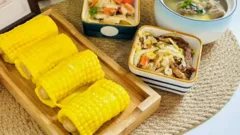
A nursery owner in China has been sentenced to life in prison after more than 200 children were poisoned with lead-tainted food intended to make meals look more attractive.
Sentencing for the Heshi Peixin Kindergarten poisoning
Li Huifang, the owner of the Heshi Peixin Kindergarten, has been sentenced to life imprisonment following a massive poisoning incident in the Gansu province. According to Chinese state media, the court found her guilty of producing and selling toxic and harmful food products. Beyond the prison term, the Lanzhou Intermediate People's Court ordered the confiscation of 500,000 yuan (£56,200; $74,700) from her personal assets, as reported by state broadcaster CCTV.
The legal consequences extended to other high-ranking staff members involved in the operation. The nursery's executive principal, Zhi Jinglin, received a 15-year prison sentence and was fined 300,000 yuan. Additionally, four kitchen staff members were sentenced to terms ranging from six to eight years. The court determined that these employees acted under direct instructions from Li and Zhi to incorporate toxic ingredients into the meals served to both students and staff members.
Investigation into lead-contaminated food samples
The scale of the poisoning became apparent in July 2025, when 247 pupils and staff members were found to have abnormally high blood lead levels. The investigation was triggered after 235 children required medical treatment for lead poisoning linked to the consumption of specific items, namely steamed red date cakes and sausage corn buns. The findings regarding the chemical composition of these foods were staggering.
According to the investigation, food samples contained lead concentrations that reached 2,000 times the national safety limit established in China. Specifically, the red date cakes were found to have lead levels of 1052mg/kg, while the corn sausage rolls measured 1340mg/kg. Both figures represent a massive violation of the national food safety standard, which sets a limit of 0.5mg/kg. The motive for using these substances was revealed to be aesthetic; chefs used inedible paint, which was clearly marked as non-food grade, to "enhance the look" of the meals to attract more students.
The medical impact of lead on children
The health implications of such exposure are severe, particularly for the demographic affected by this scandal. According to the World Health Organization, lead poisoning is particularly harmful to young children. The organization notes that such exposure can cause severe damage to both the brain and the central nervous system, making the prevention of such incidents a critical public health priority.
Corruption and systemic cover-up attempts
The scandal was further complicated by evidence of institutional corruption and attempts to obstruct justice. As the investigation unfolded, officials discovered that dozens of provincial officials and hospital staff had participated in a cover-up of the poisoning incident. These individuals reportedly attempted to tamper with blood test results to hide the extent of the contamination.
Furthermore, it was revealed that these officials had accepted bribes from a nursery investor to facilitate the concealment of the truth. This layer of corruption delayed the full recognition of the health crisis facing the children in Tianshui. The involvement of both medical and provincial authorities highlighted significant vulnerabilities in the local oversight and reporting mechanisms during the initial stages of the crisis.
New national guidelines for campus meal safety
In response to the widespread outcry and the systemic failures identified in the Heshi Peixin case, Chinese authorities have implemented new regulatory frameworks. China has since published a comprehensive set of national guidelines specifically designed for the provision of meals on school campuses to prevent similar occurrences in the future.
These new measures introduce strict protocols for food sourcing and quality control. Under the new guidelines, every new batch of food must undergo testing to ensure safety. Furthermore, the regulations mandate that essential ingredients, such as flour, rice, and cooking oil, must be purchased exclusively from centralized procurement points. This shift aims to create a more transparent and traceable supply chain for educational institutions, reducing the risk of unauthorized or toxic ingredients entering the school food system.
Frequently Asked Questions
What caused the poisoning at the nursery?
The poisoning was caused by the deliberate use of inedible paint in food preparation. Chefs at the Heshi Peixin Kindergarten used the toxic substance to make meals look more appealing to students, resulting in lead levels that far exceeded national safety standards.
What were the legal penalties for the owners?
Li Huifang, the owner, received a life sentence and the confiscation of 500,000 yuan. The executive principal, Zhi Jinglin, was sentenced to 15 years in prison with a fine of 300,000 yuan, while kitchen staff received sentences between six and eight years.
How much lead was found in the food?
The investigation found lead levels in red date cakes at 1052mg/kg and in corn sausage rolls at 1340mg/kg. These levels are significantly higher than the national safety limit of 0.5mg/kg, representing a 2,000-fold excess.
Conclusion
The Heshi Peixin Kindergarten scandal serves as a grim reminder of the devastating consequences of corporate negligence and corruption. The deliberate use of toxic paint to increase student enrollment resulted in hundreds of children facing severe neurological risks. While the heavy sentencing of Li Huifang and her accomplices provides a degree of justice, the involvement of provincial officials in a cover-up underscores deep-seated systemic issues. The implementation of new national campus meal guidelines is a necessary step toward restoring safety and accountability in the food supply chain for China's youth.
