
Synthetic drugs in the US: Chicago's frontline battle
Published October 18, 2026 · 11:34 PM
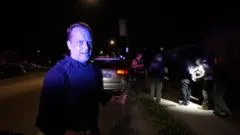
As synthetic drugs in the US rise, Chicago faces a new wave of potent substances like tranq. Explore the impact on overdose rates and policy shifts.
The evolution of synthetic drugs in the US market
The landscape of American addiction is shifting toward highly potent, inexpensive synthetic compounds that pose unique challenges to public health. Authorities are increasingly alarmed by the rise of these substances, which are often cheaper to produce and more powerful than traditional narcotics. One such substance gaining notoriety is 'tranq,' an animal tranquilizer that has entered the illicit drug supply.
This transition toward synthetics represents a significant escalation in the complexity of the crisis. Unlike plant-based drugs, these laboratory-created substances can be manufactured with high precision and extreme potency, making them difficult for users to dose safely and for authorities to intercept. The rapid spread of these chemicals is a primary concern for communities on the frontlines of the epidemic.
Analyzing recent trends in drug overdose deaths
Fluctuations in overdose mortality rates provide a complex picture of the current crisis. According to the BBC, drug overdose deaths fell from a peak of approximately 110,000 in 2022 to roughly 70,000 last year. While this downward trend suggests some level of progress or change in mortality patterns, it does not necessarily signal the end of the epidemic.
Experts warn that the underlying crisis may actually be accelerating due to the chemical makeup of new drugs. The decline in total deaths might reflect changes in drug availability or different patterns of usage, but the introduction of even more potent synthetics threatens to reverse any recent gains in public safety. The volatility of these substances makes long-term statistical trends difficult to interpret with certainty.
Federal policy and the crackdown on drug cartels
The United States government has signaled a move toward more aggressive enforcement strategies to combat the influx of illicit substances. President Donald Trump has pledged a significant crackdown on the cartels responsible for the distribution of these drugs. A key component of this strategy involves the potential designation of many drug-trafficking organizations as terrorist organizations.
By reclassifying cartels, the federal government aims to expand the legal and operational tools available to dismantle these networks. This policy shift targets the supply chain of synthetic drugs at its source, attempting to disrupt the flow of chemicals and finished products before they reach American streets. However, the effectiveness of such high-level political maneuvers against decentralized, highly profitable criminal enterprises remains a subject of intense debate.
Chicago as a focal point of the crisis
Chicago, specifically its South Side, has become a central location for observing the devastating impact of the synthetic drug wave. Local communities are currently battling the fallout of increased drug potency and the social instability caused by the ongoing crisis. The city serves as a microcosm for the broader national struggle against synthetic narcotics.
In these neighborhoods, the presence of substances like tranq has created new layers of medical and social emergency. The battle in Chicago is not merely a matter of law enforcement but a profound struggle for community stability and public health resilience. As these new drugs continue to flood the market, the pressure on local resources and the vulnerability of residents continue to mount.
Frequently Asked Questions
What are the main types of synthetic drugs causing concern?
The primary concern involves highly potent, low-cost synthetic substances that are easier to manufacture than traditional drugs. A notable example mentioned is 'tranq,' which is an animal tranquilizer that has become part of the illicit drug supply, increasing the danger to users.
How have overdose deaths changed recently?
Overdose deaths have seen a recent decline from their highest levels. According to the BBC, deaths dropped from a peak of about 110,000 in 2022 to approximately 70,000 last year, though the rise of synthetics remains a major threat to this trend.
What is the government's plan to stop drug cartels?
The federal approach involves a significant crackdown on the organizations responsible for drug trafficking. President Donald Trump has indicated a plan to designate many of these cartels as terrorist organizations to increase the intensity of the fight against them.
